
Immigration
What Is the Public Charge Rule?
The public charge rule is a long-standing immigration policy used by U.S. Citizenship and Immigration Services (USCIS) to determine whether an applicant is likely to become primarily dependent on government benefits. Under the most recent version associated with the Trump administration, officials weigh factors such as age, health, income, education, and use of certain public benefits when deciding visa and green card applications.
Key Changes in Trump’s New Public Charge Rule
The updated framework expands the list of benefits considered in public charge determinations. Previously limited to cash assistance and long-term institutional care, the rule now includes programs such as SNAP (food stamps), Medicaid for non-emergency services, and housing vouchers. Applicants must demonstrate they are self-sufficient or have sufficient financial support from sponsors.
How the Rule Differs from Prior Versions
Earlier iterations focused mainly on past benefit use. The new approach looks forward, predicting future reliance based on current circumstances. This forward-looking test gives USCIS officers broader discretion, which can lead to more denials for family-based petitions common among Miami’s immigrant communities.
Who Is Affected by the Public Charge Rule in Florida?
Most family-based green card applicants, including spouses, parents, and children of U.S. citizens or lawful permanent residents, face heightened scrutiny. Employment-based applicants with strong income and health insurance are generally less impacted, but still must submit detailed financial documentation.
In Miami-Dade County, large numbers of Cuban, Haitian, Nicaraguan, and Venezuelan families pursue family-based immigration. The rule’s emphasis on income thresholds above 125% of the federal poverty guidelines can create obstacles for households that rely on multiple wage earners in the local service and construction industries.
Exemptions and Special Considerations
Refugees, asylees, and certain survivors of domestic violence or trafficking remain exempt. However, mixed-status households in South Florida must carefully document that the intending immigrant will not access covered benefits. Past results do not commitment future outcomes, so each case requires individualized review.
Practical Steps for Miami Immigrants Facing the Public Charge Rule
- Compile tax returns, pay stubs, and affidavits of support from qualifying sponsors.
- Secure private health insurance or proof of employer coverage to offset Medicaid concerns.
- Consult bilingual legal counsel experienced in immigration matters before filing Form I-485 or consular processing documents.
Why Miami Families Should Act Now
USCIS continues to issue Requests for Evidence on public charge grounds at a higher rate in the Miami field office. Delaying a response or submitting incomplete financial information can result in denial and potential removal proceedings. Early preparation helps families avoid costly refiling fees and lengthy appeals.
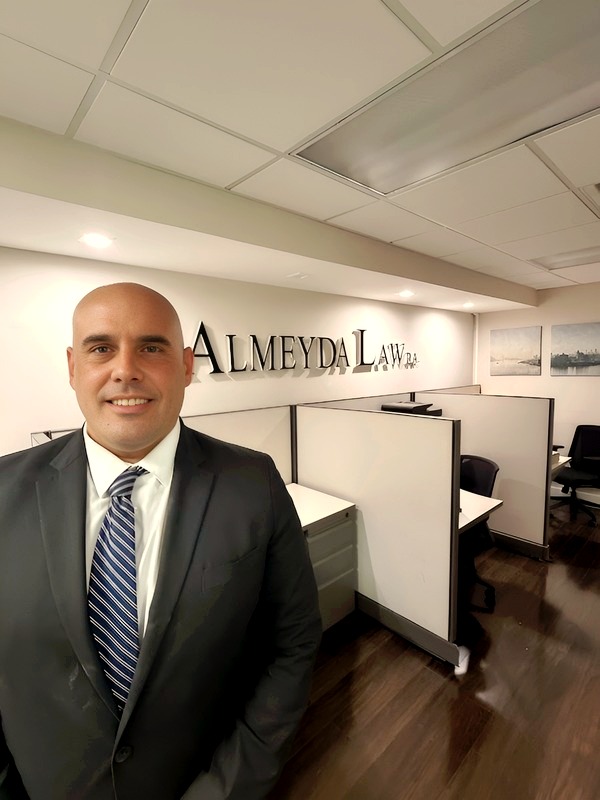
Almeyda Law, P.A. remains focused on guiding clients through these evolving requirements while also handling related family law and personal injury matters that often intersect with immigration cases.
Resources and Next Steps
Review the official USCIS policy guidance at uscis.gov. For personalized analysis of your situation, contact our Miami office through the contact page or learn more about our immigration practice. Our team, including attorney Jimmy Almeyda, works with Spanish- and English-speaking clients throughout South Florida.
Frequently Asked Questions
Does using Medicaid automatically trigger a public charge denial?
Not always. Emergency Medicaid and certain children’s programs are excluded, but non-emergency use by the applicant can be considered under the new rule.
Can I still sponsor my parents if my income is slightly below the threshold?
You may need a joint sponsor who meets the 125% income requirement. Our attorneys experienced in immigration can review household income and assets to determine viable options.
How long does a public charge determination take in Miami?
Processing times vary, but Requests for Evidence often extend cases by several months. Submitting complete financial evidence upfront helps reduce delays.
Are DACA recipients affected by the public charge rule?
DACA itself is not subject to public charge review, but individuals applying for adjustment of status through other channels must still satisfy the rule’s requirements.
Should I consult an attorney before filing if I received benefits in the past?
Yes. An attorney experienced in immigration law can help explain how prior benefit use may be weighed and prepare a strong response to potential USCIS concerns.
Need Legal Help?
Schedule a consultation with our experienced legal team at Almeyda Law, P.A.